Context and stakes: Why this mattered
Later had recently acquired Mavely, bringing together two products that served overlapping but differently framed marketer workflows. While both products were successful in isolation, they lacked a shared mental model of how marketers should move from discovery → execution → measurement.
At the same time:
- Leadership needed a clear direction for future investment
- Teams were exploring AI opportunistically, without a unifying experience strategy
- There was a real risk of building disconnected features that increased complexity rather than reduced it
The stakes were not visual consistency, they were strategic system alignment and trust.
Ownership and action: What I took on
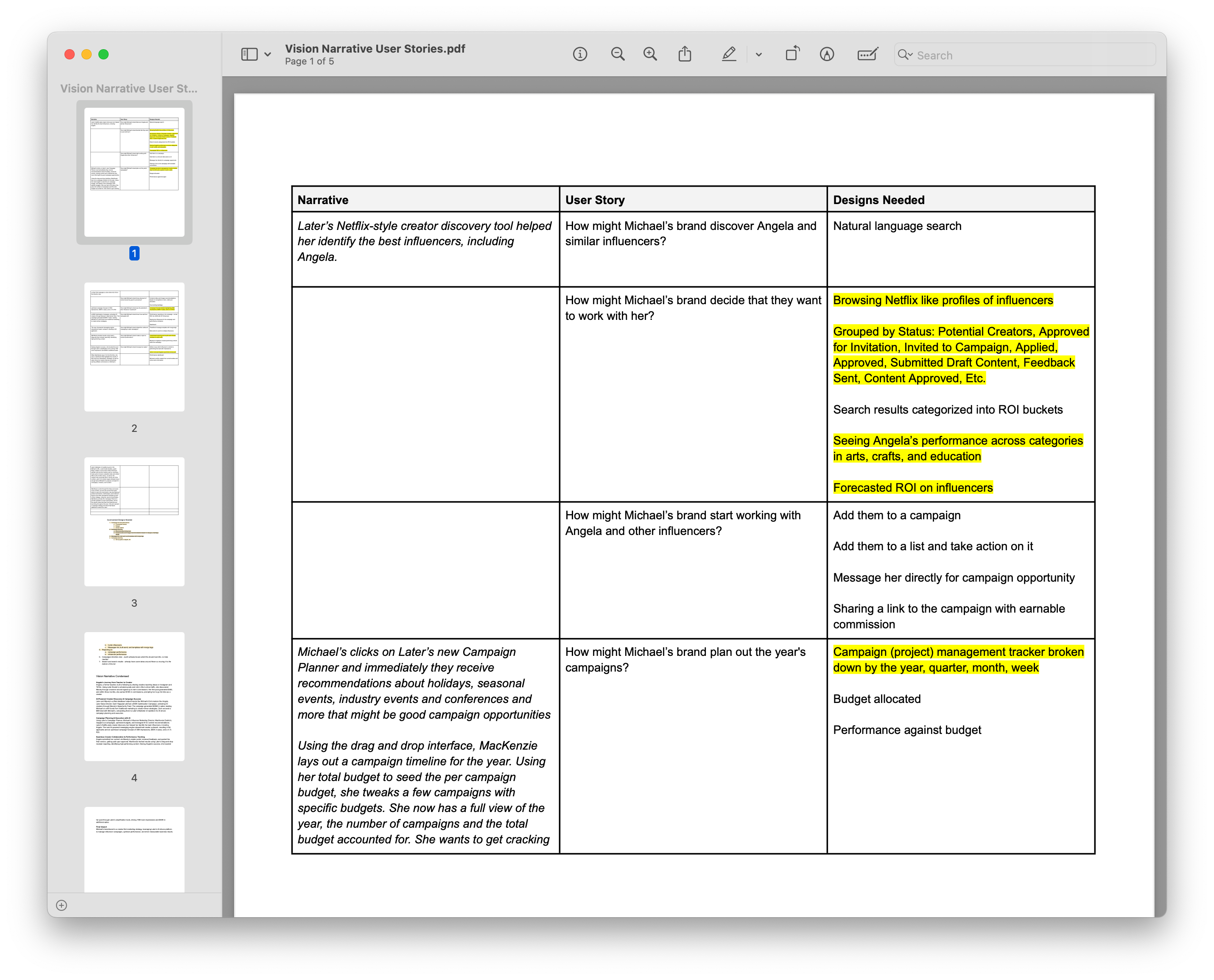
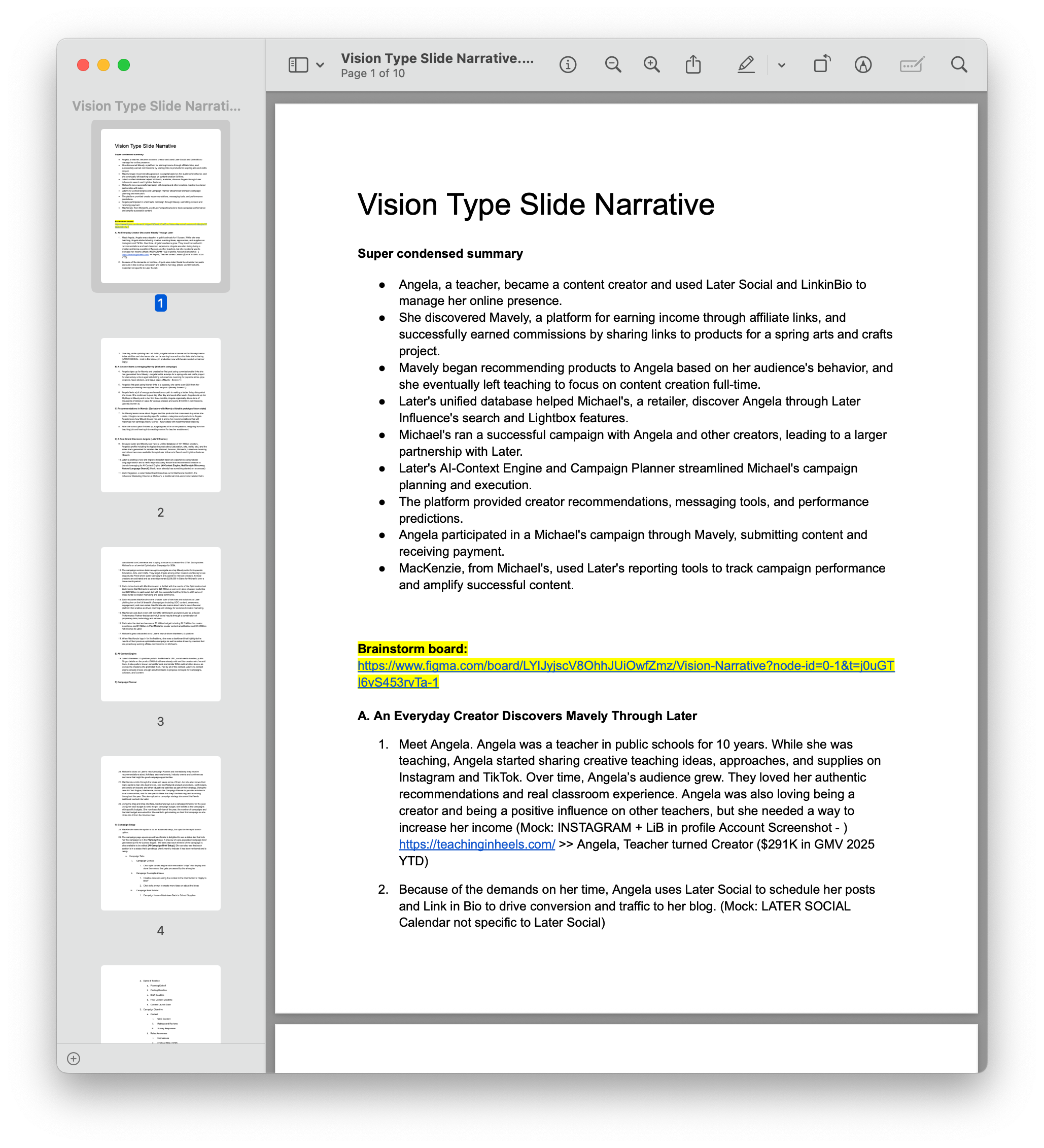
I was asked to lead this work under a 7-day timeline ahead of an executive board meeting.
My responsibility was not to design production-ready UX, but to:
- Translate executive strategy into a coherent experience model
- Absorb ambiguity so teams wouldn’t prematurely lock into solutions
- Define where AI meaningfully improves efficiency and reduces cognitive load
I owned:
- The end-to-end experience vision
- The underlying user mental model
- The articulation of clear design bets, teams could align around
Strategic framing: The real design problem
The real problem wasn’t “how do we add AI?” It was:
How do we help marketers understand, trust, and navigate a complex ecosystem of data, creators, campaigns, and outcomes?
Marketers struggled with:
- Inefficient, fragmented workflows
- Difficulty predicting creator ROI
- Cognitive overload when managing their programs scale
Research and mental model construction
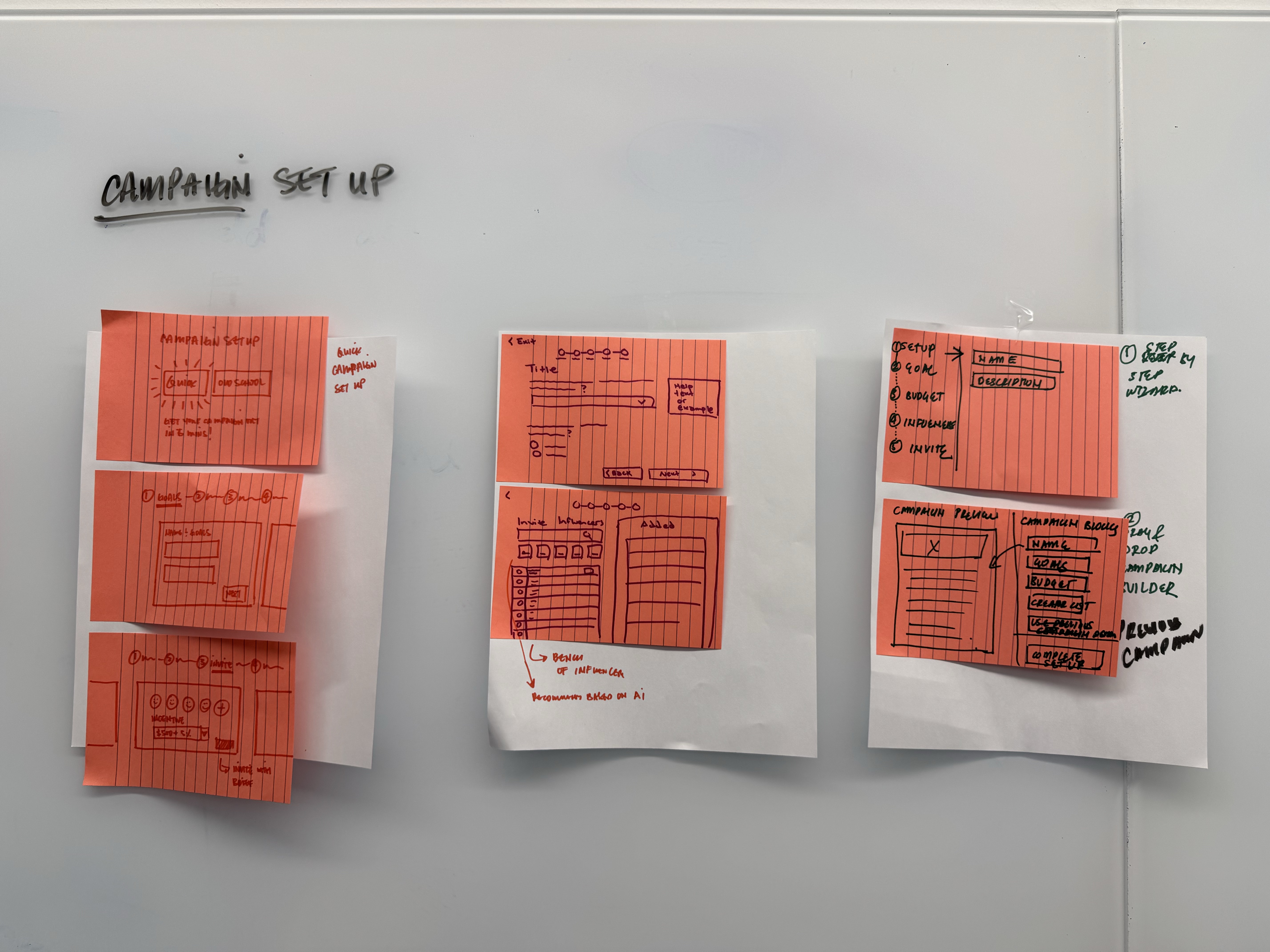
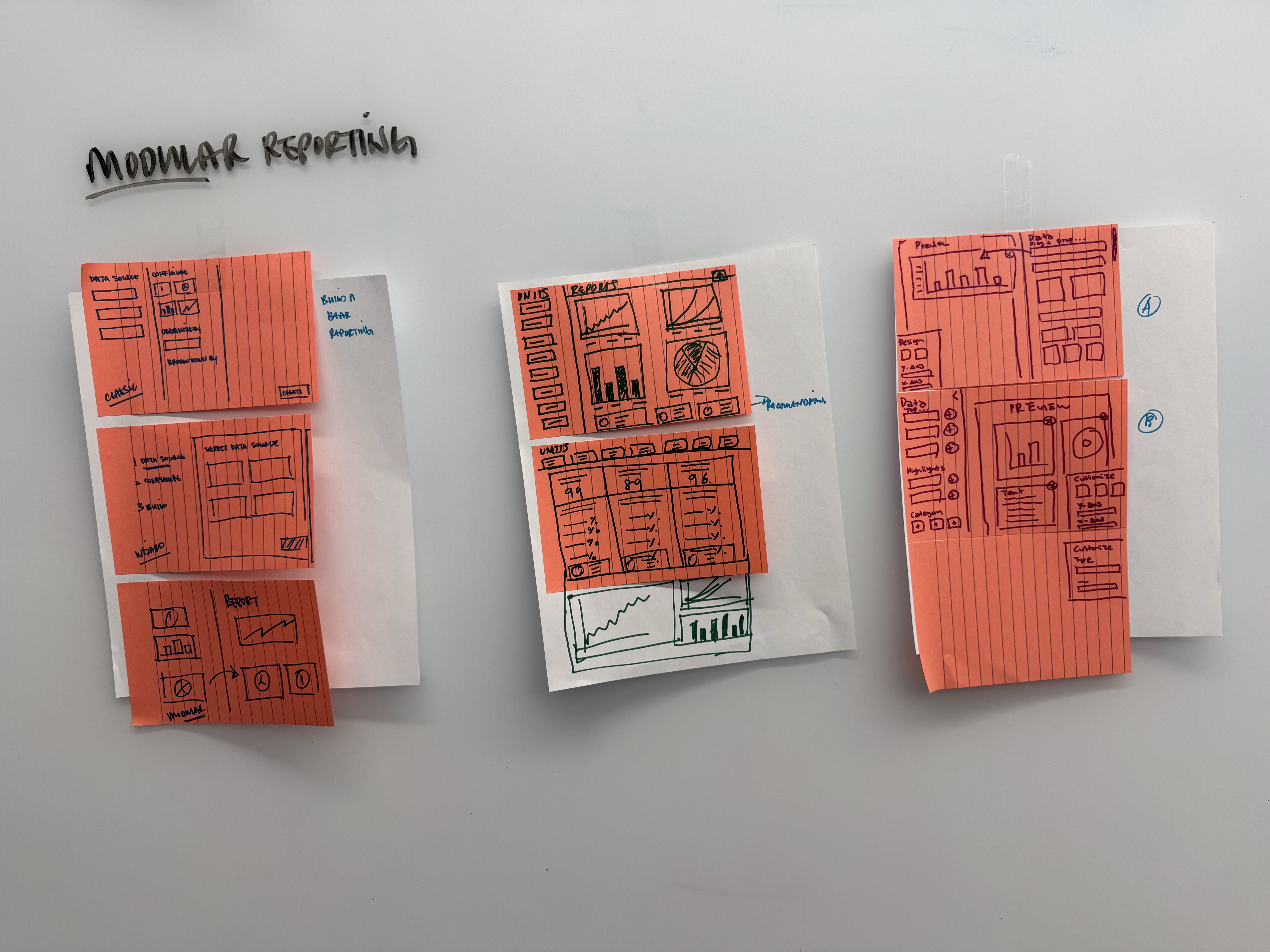
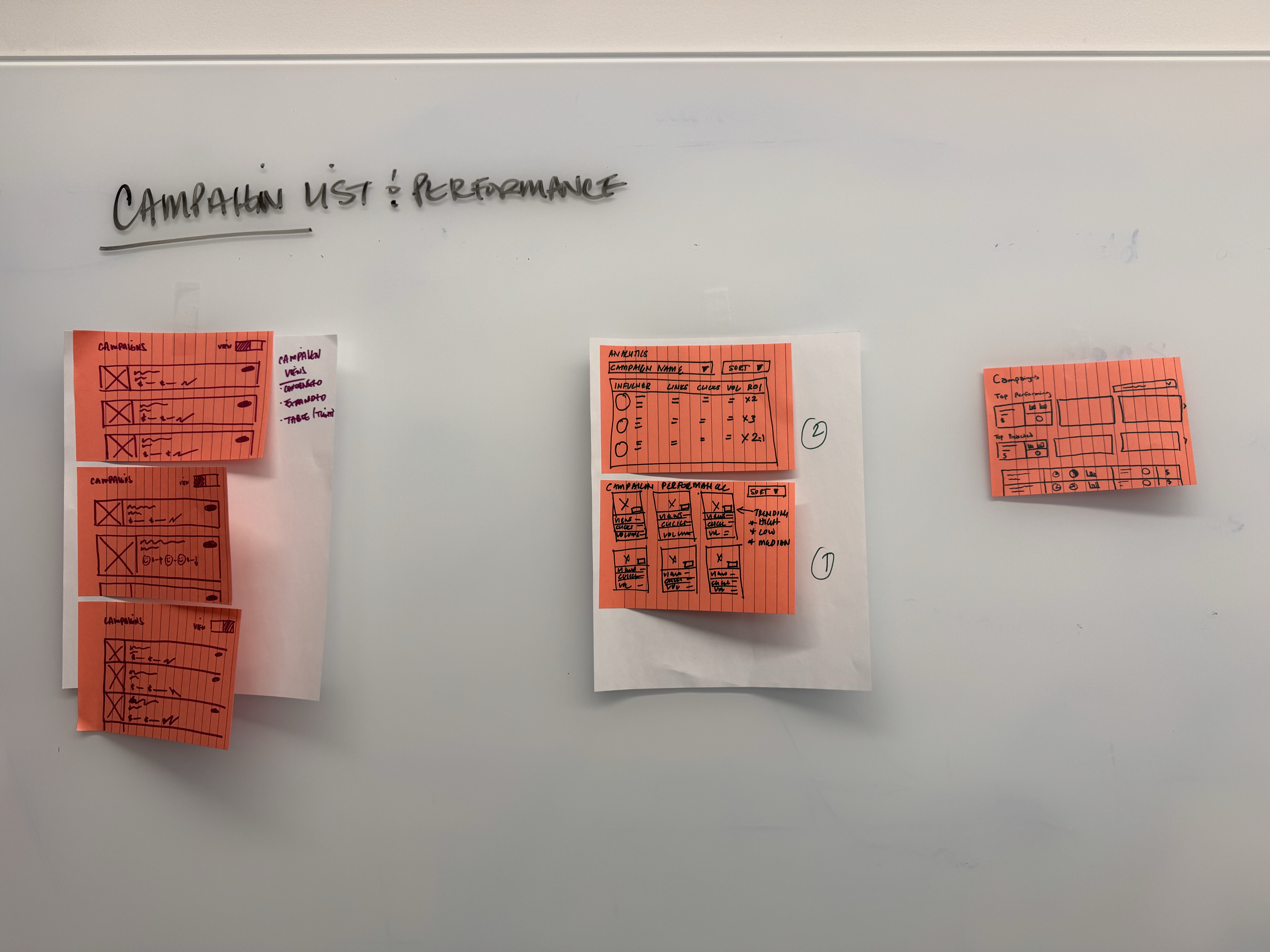
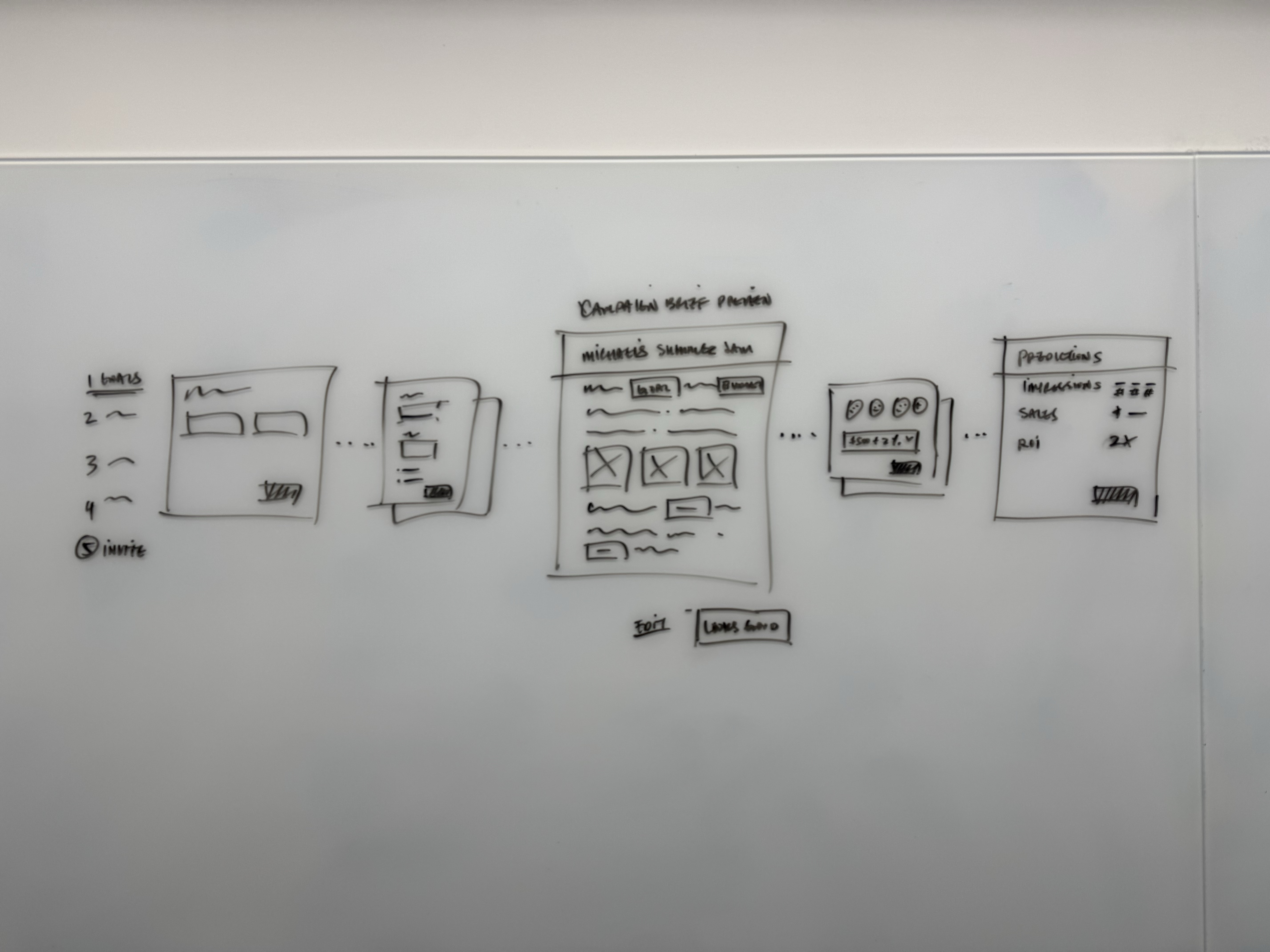
Given the constraints, I focused on rapid synthesis rather than net-new research. I:
- Anchored the vision in two core personas: marketers and creators
- Mapped the marketer journey as a decision flow, not a feature list
- Studied adjacent systems (ChatGPT, Netflix, HubSpot) for how they progressively reveal complexity
Strategic decisions and tradeoffs
Decisions I made:
- Prioritized predictability and guidance over infinite flexibility
- Treated AI as a supporting actor, not the main interface
- Designed the system to surface confidence when making key selections
Tradeoffs I accepted:
- Chose mid-fidelity, vision-level artifacts to avoid anchoring on UI
- Limited scope to a “north star” rather than a roadmap
- Deferred technical feasibility questions to keep the focus on experience intent
Outcomes and leverage: What changed
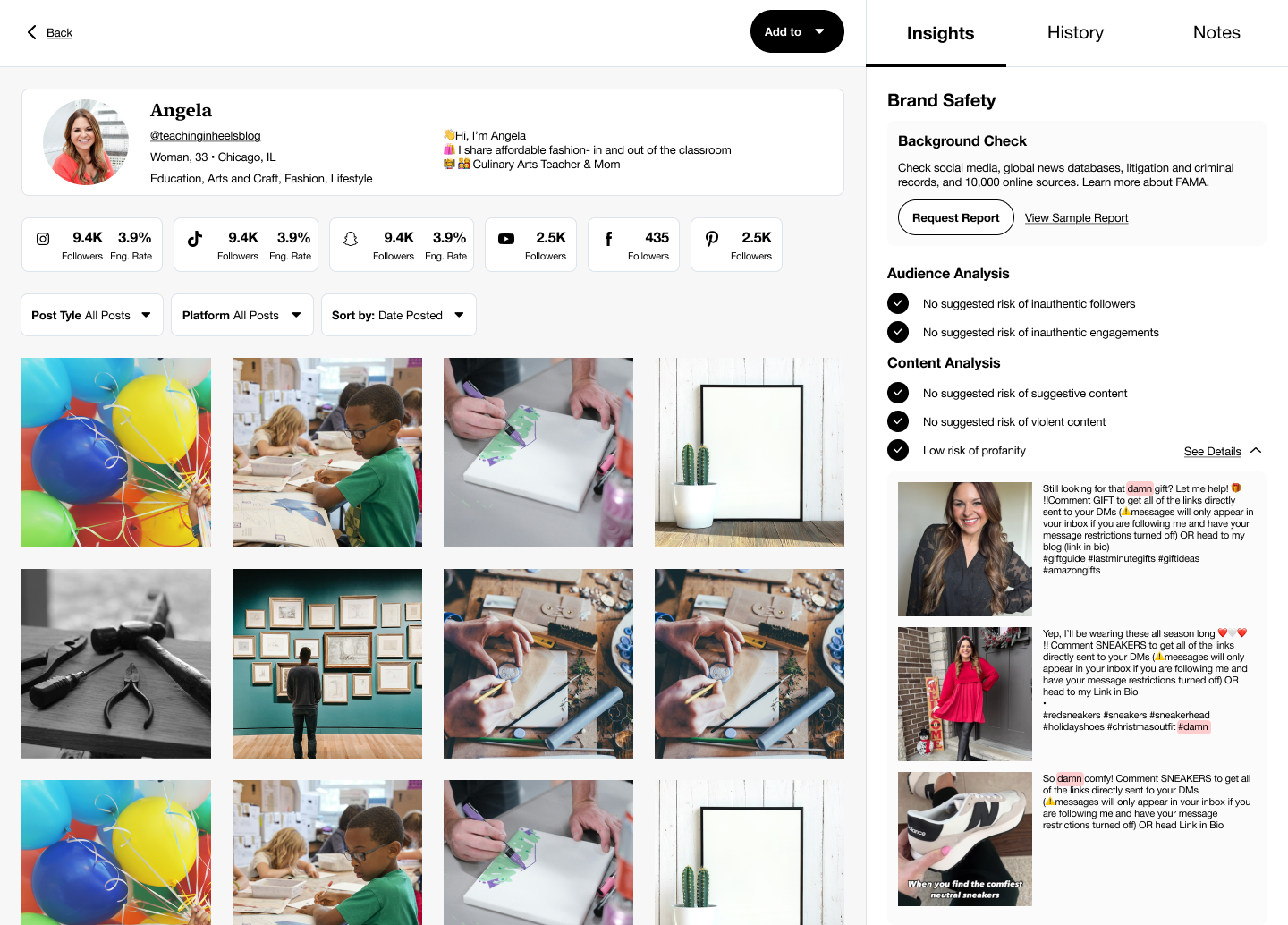
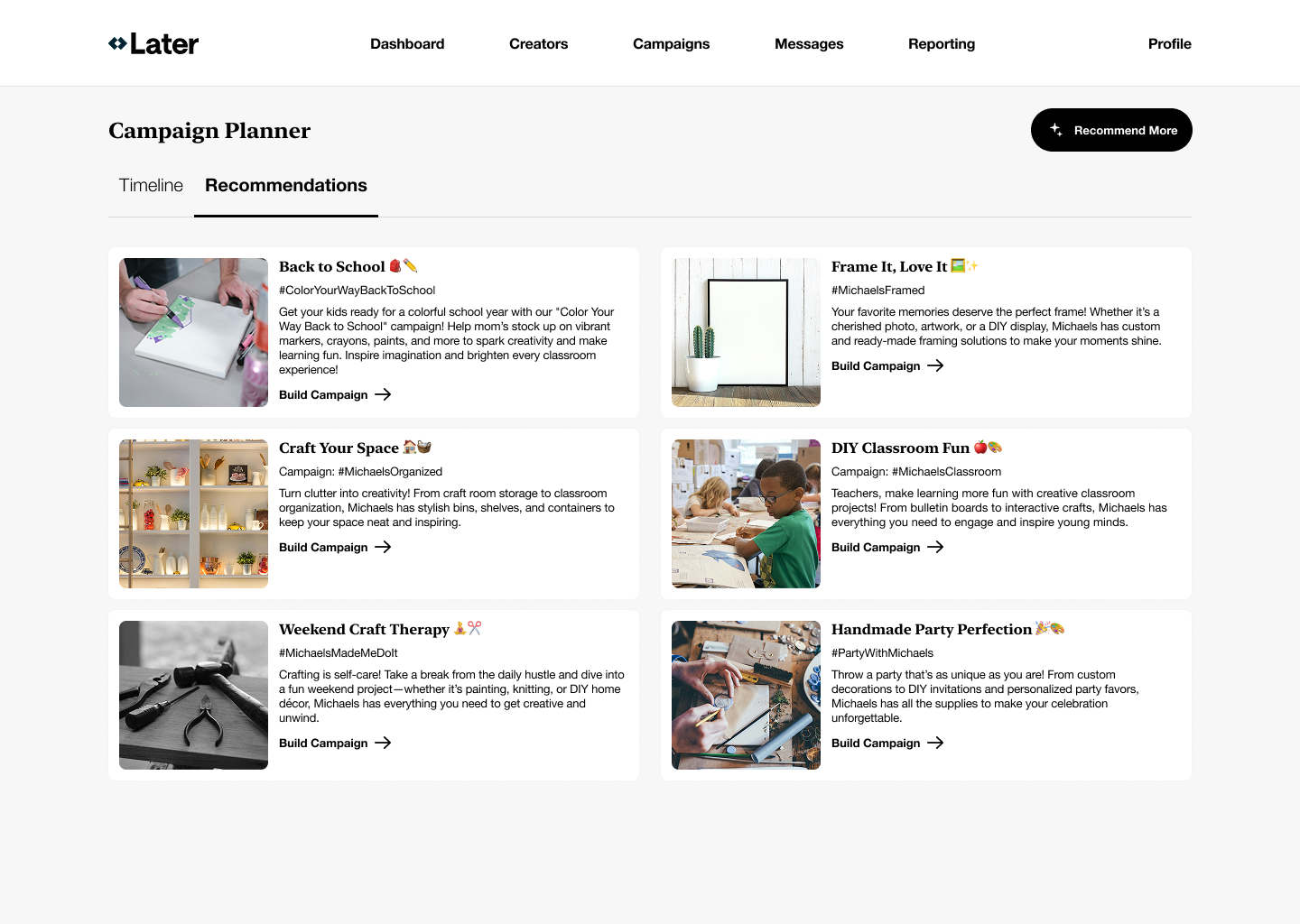
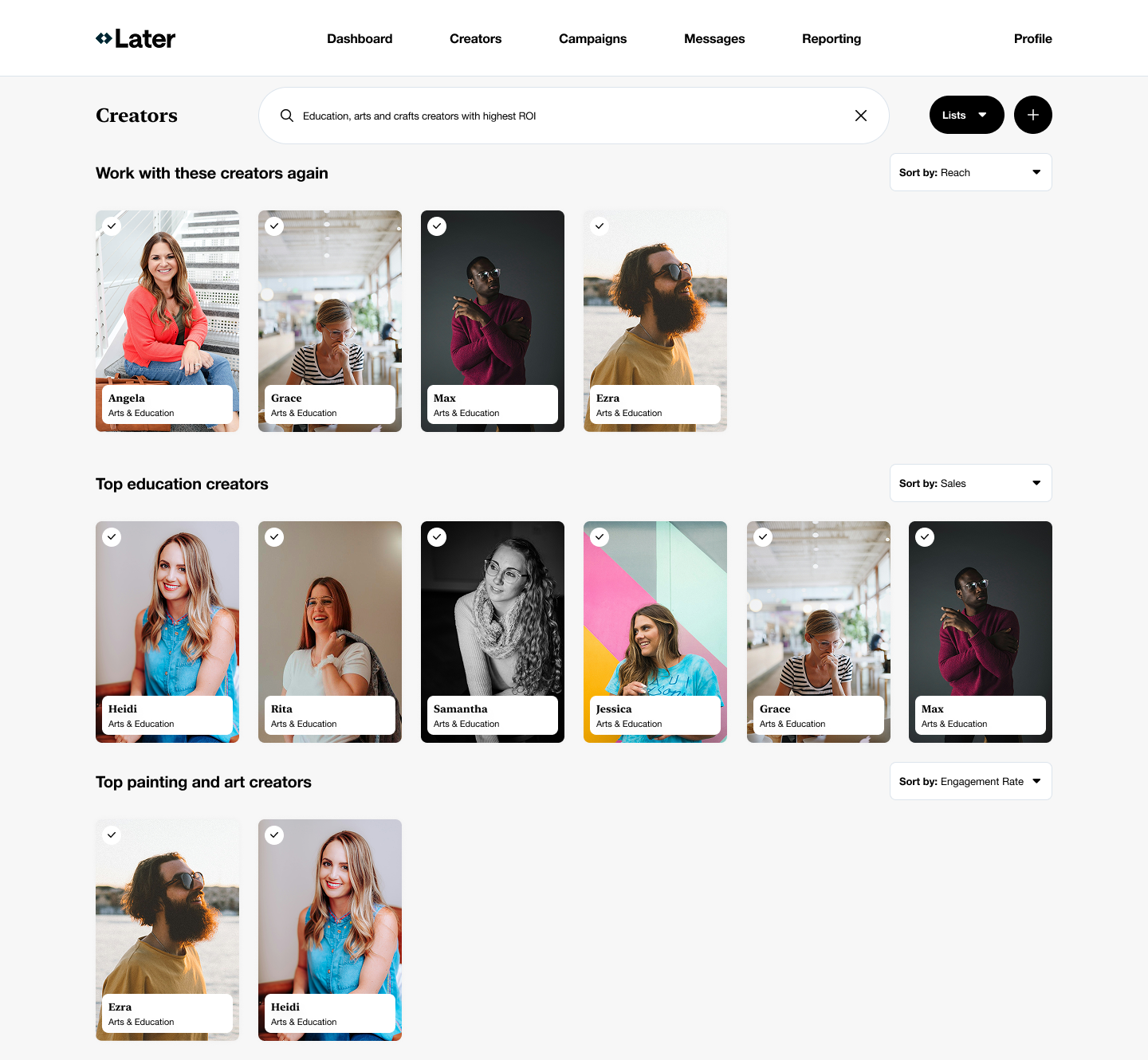
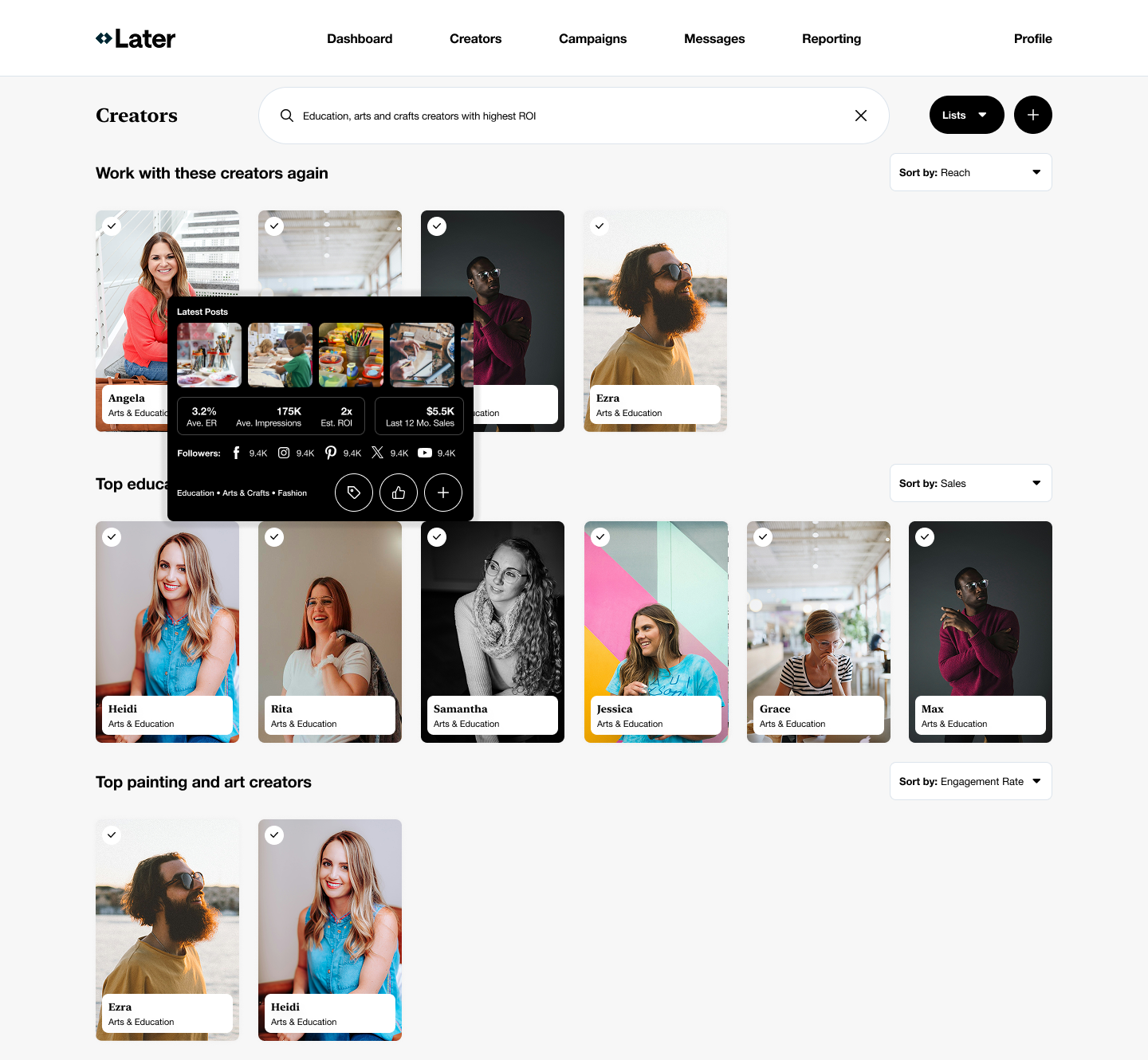
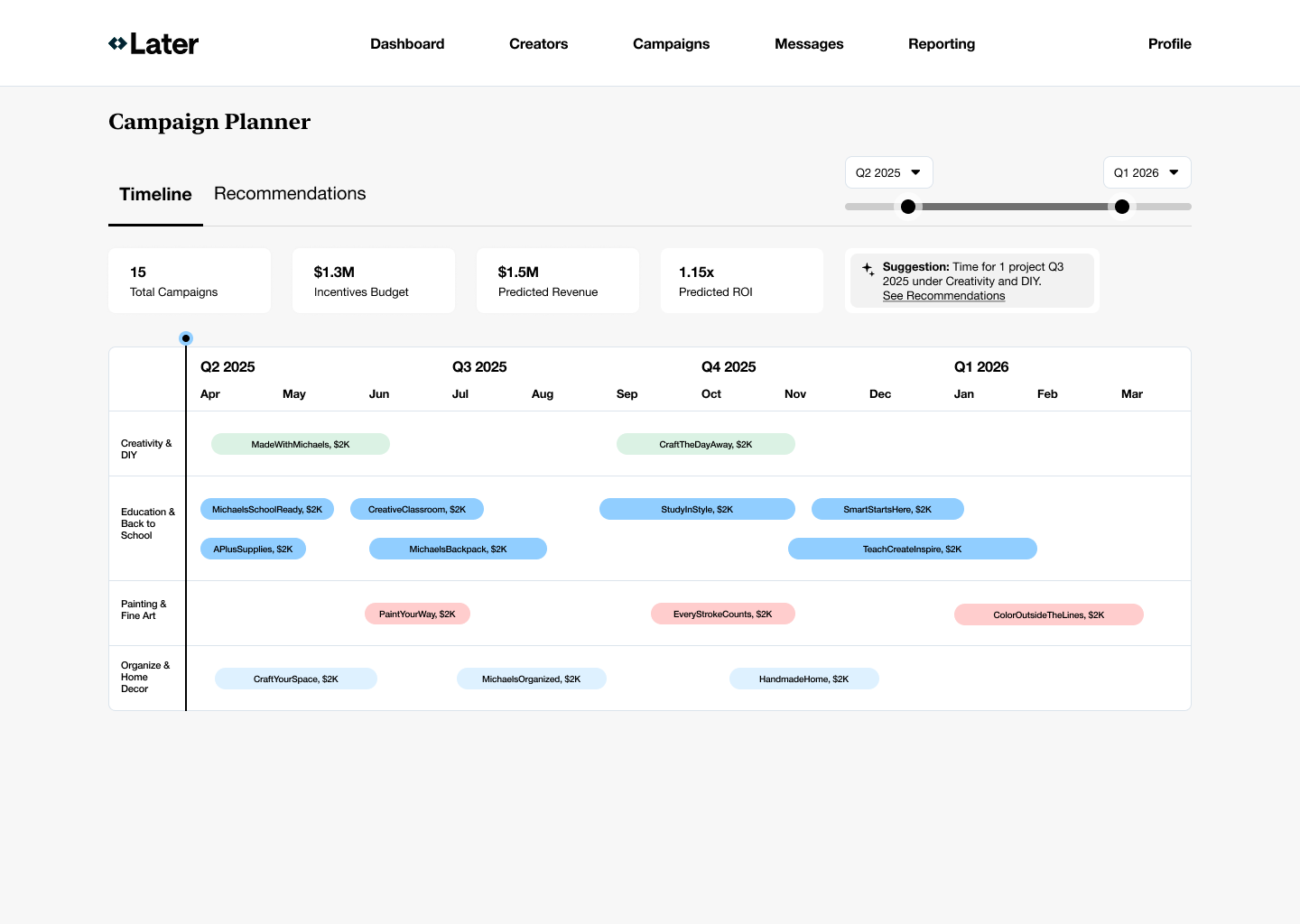
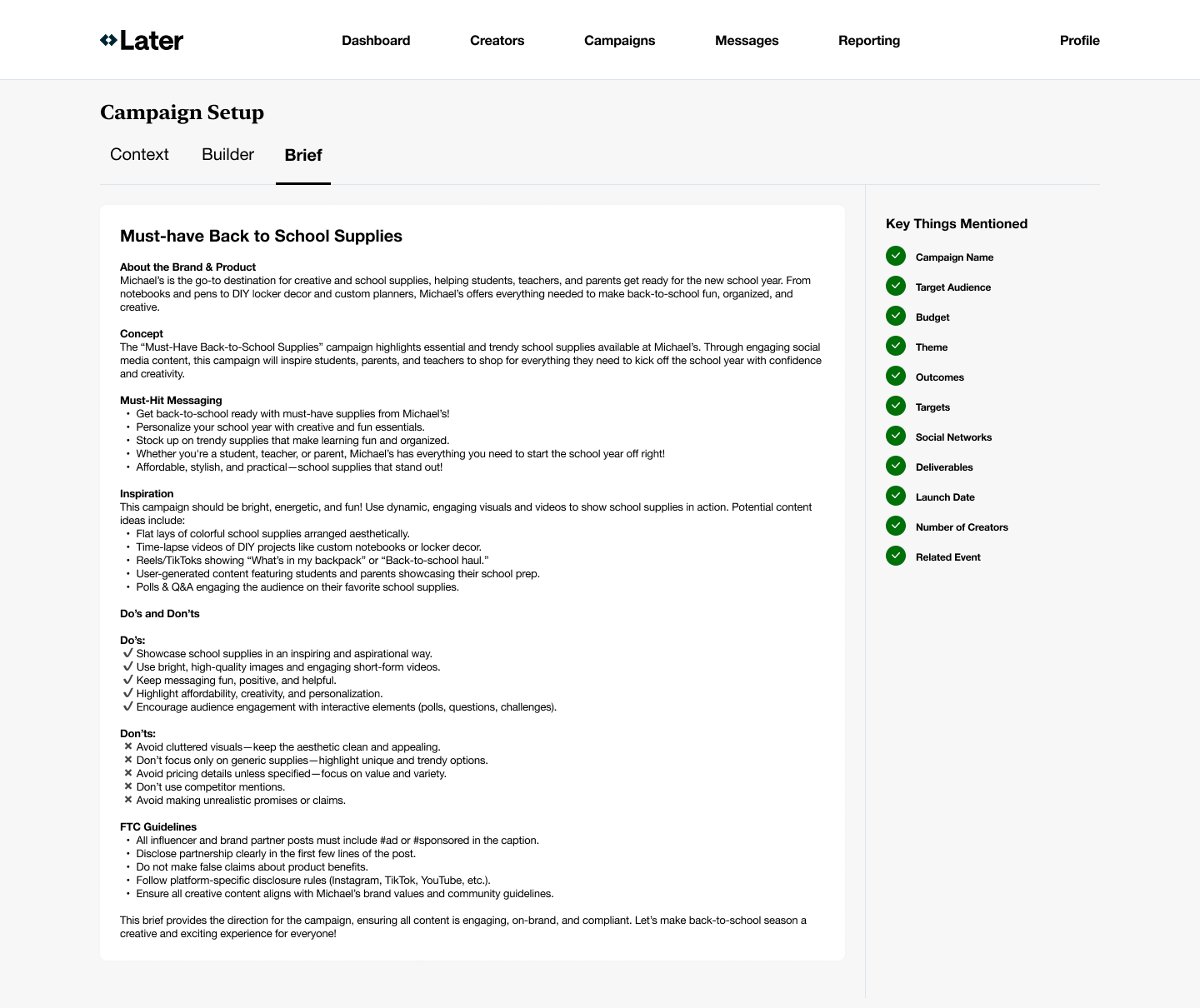
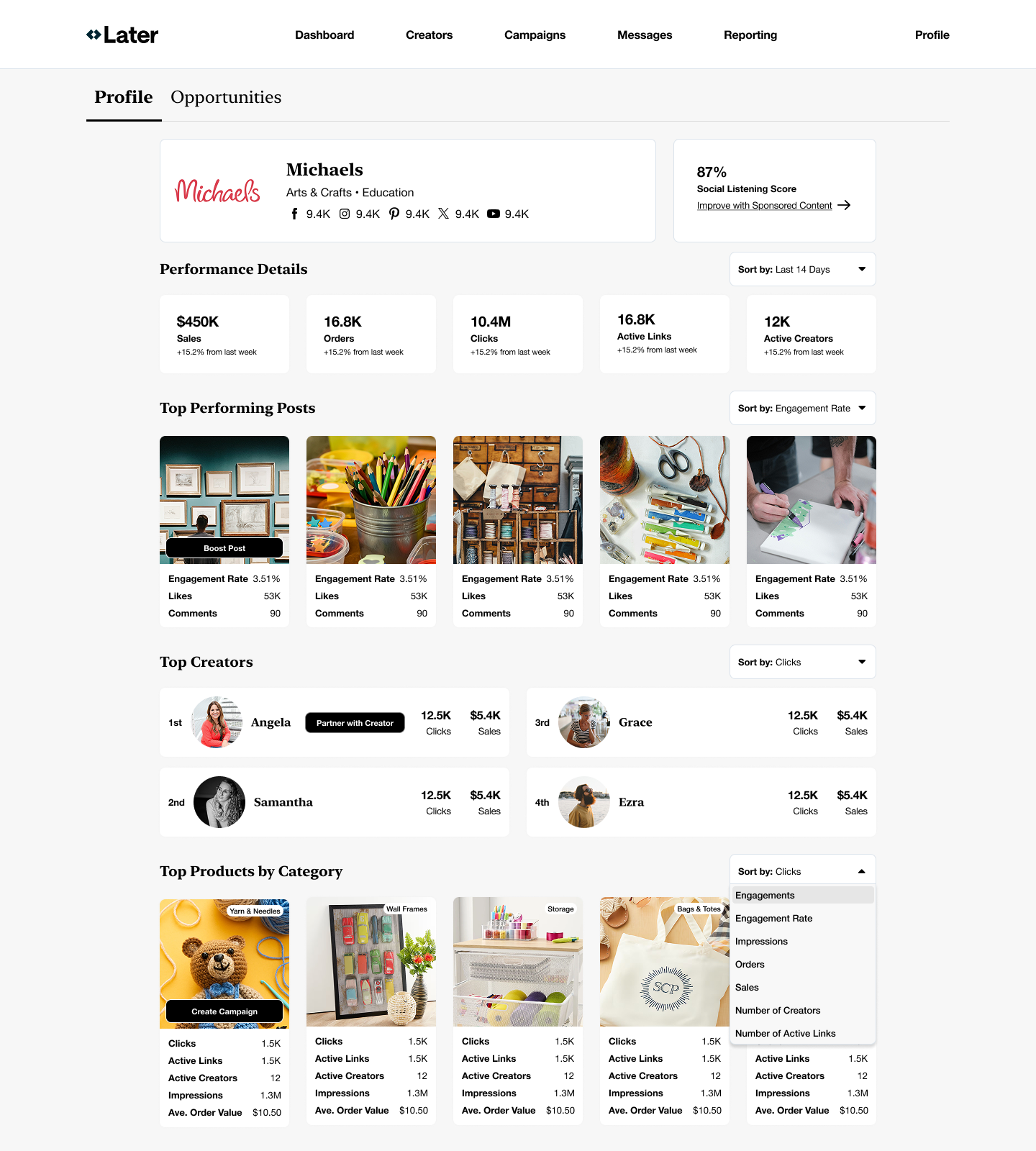
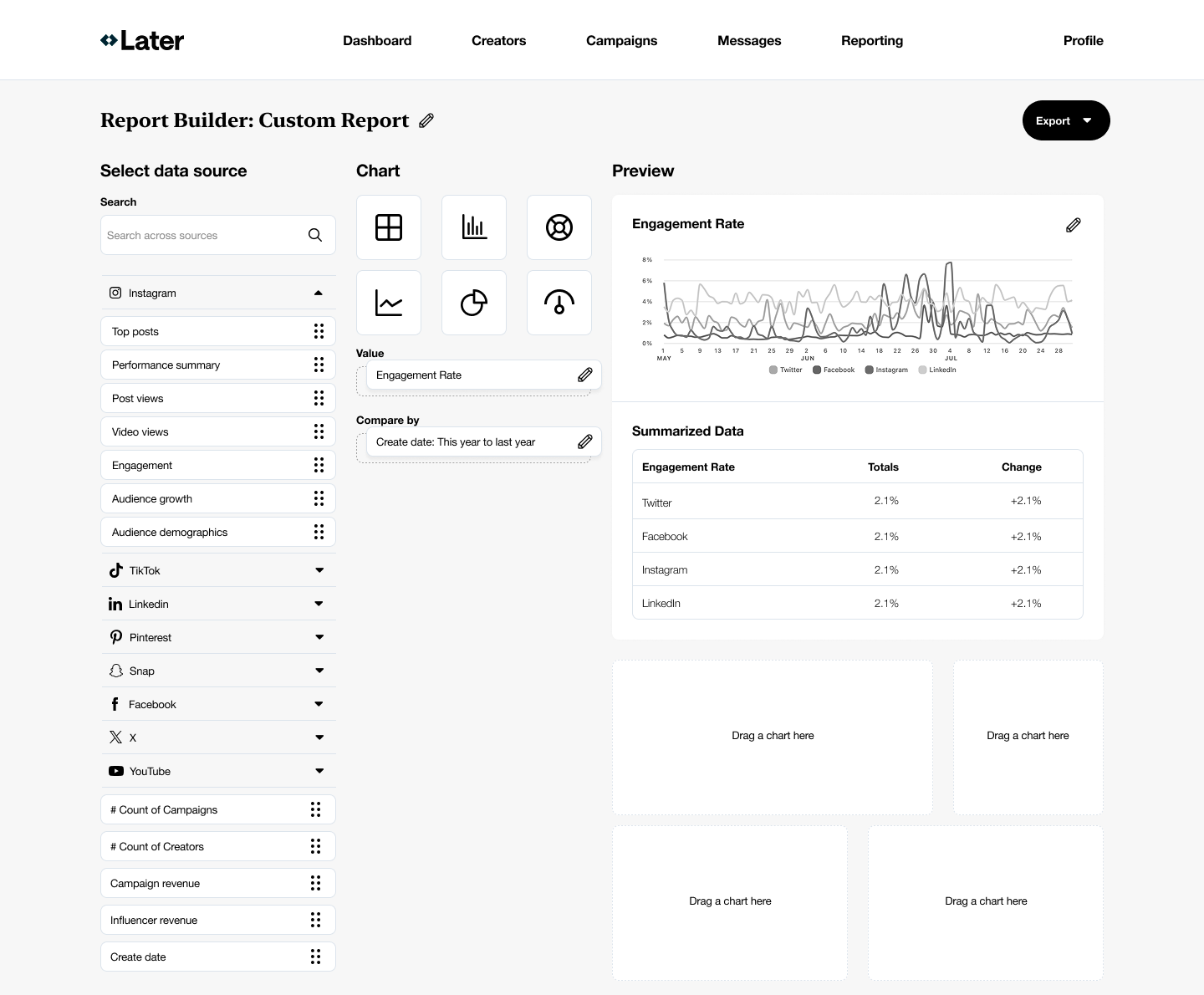
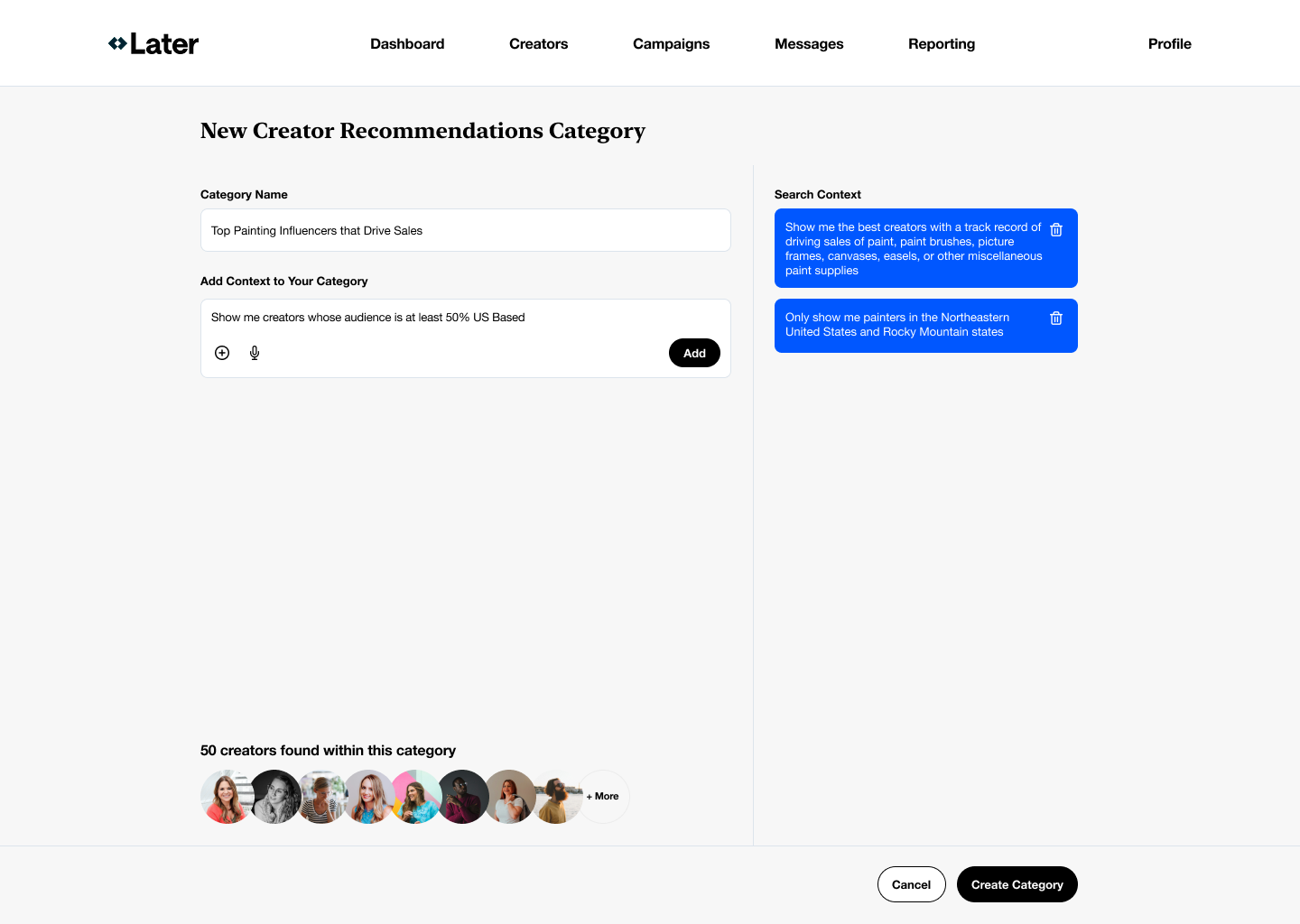
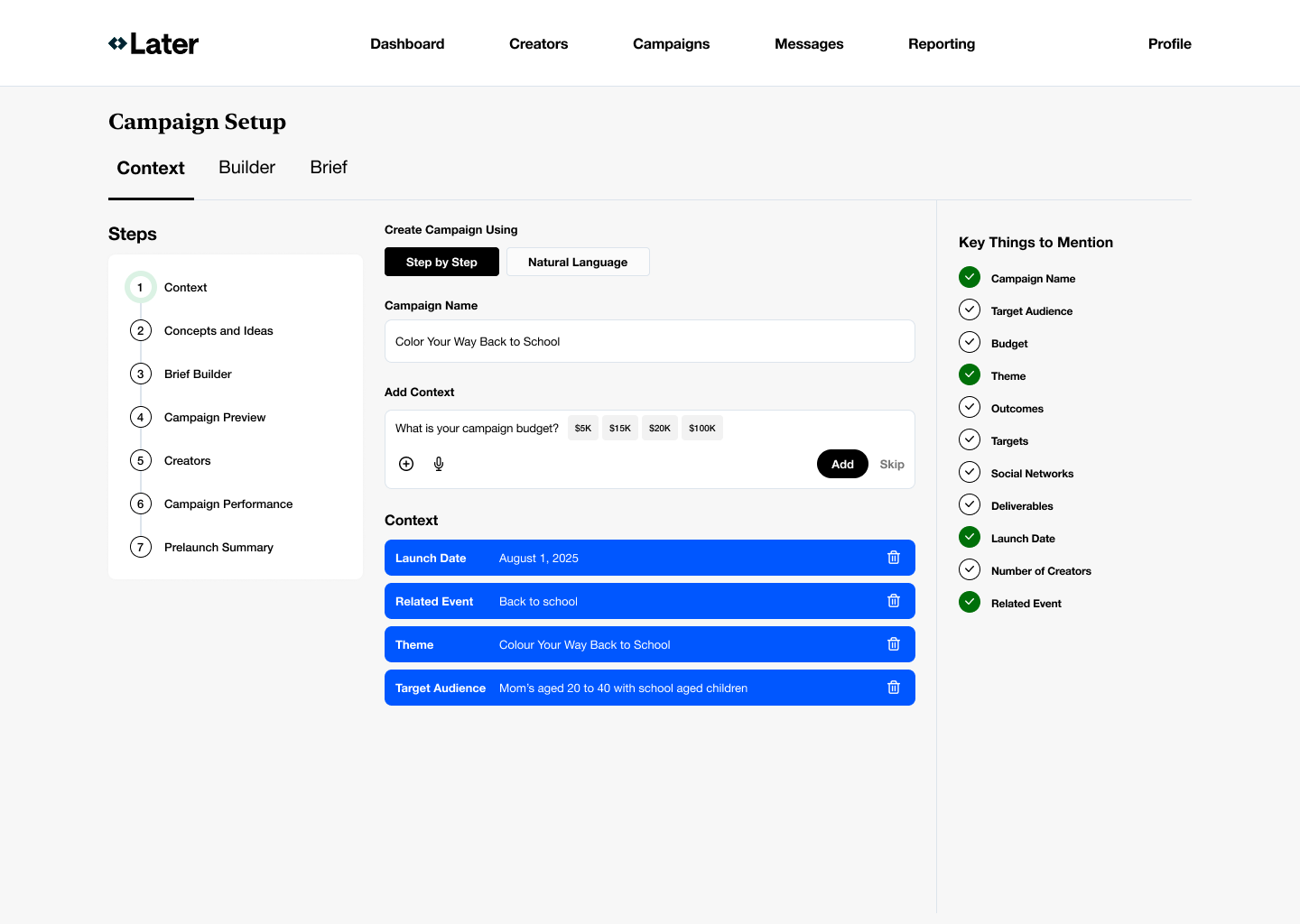
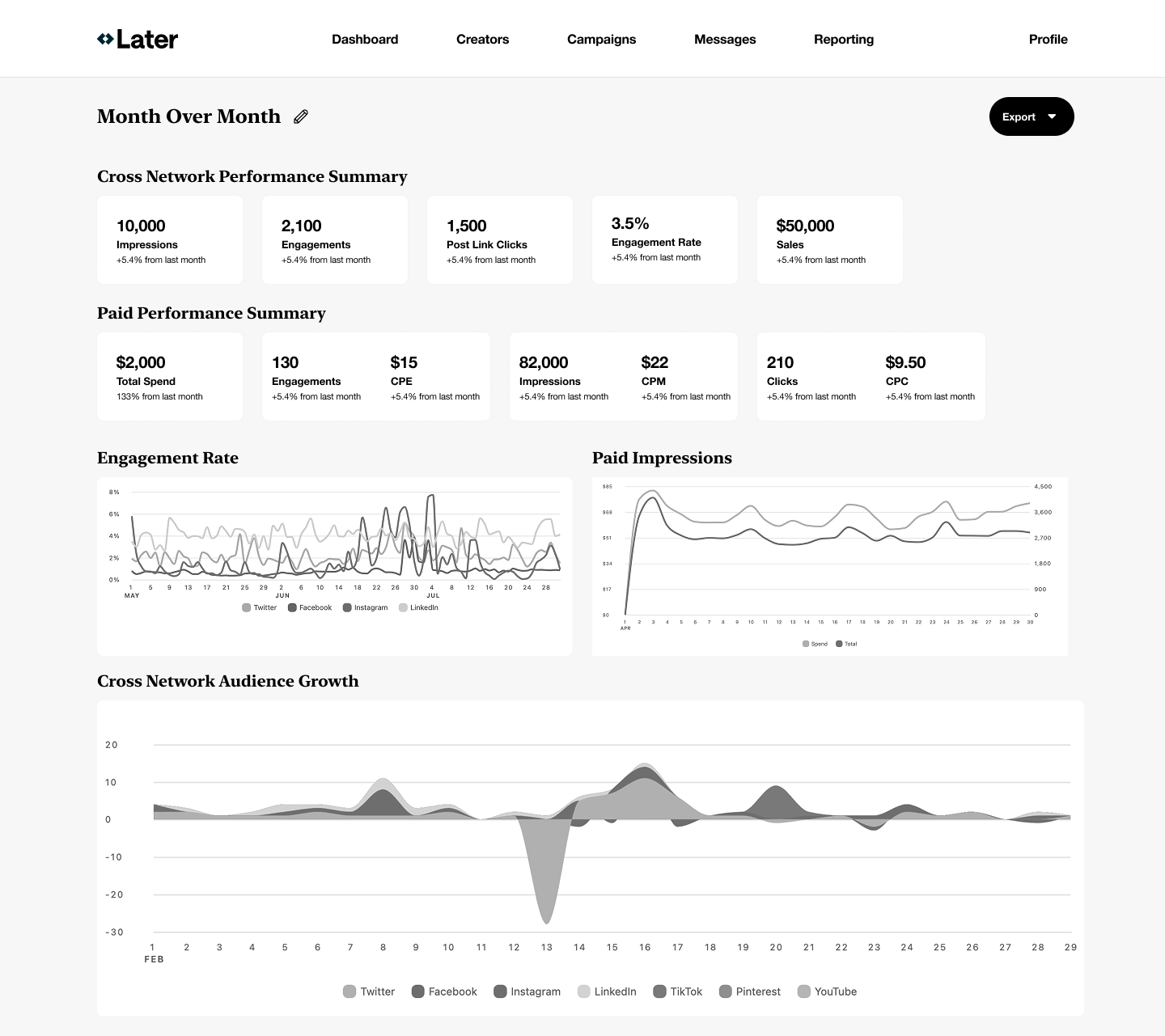
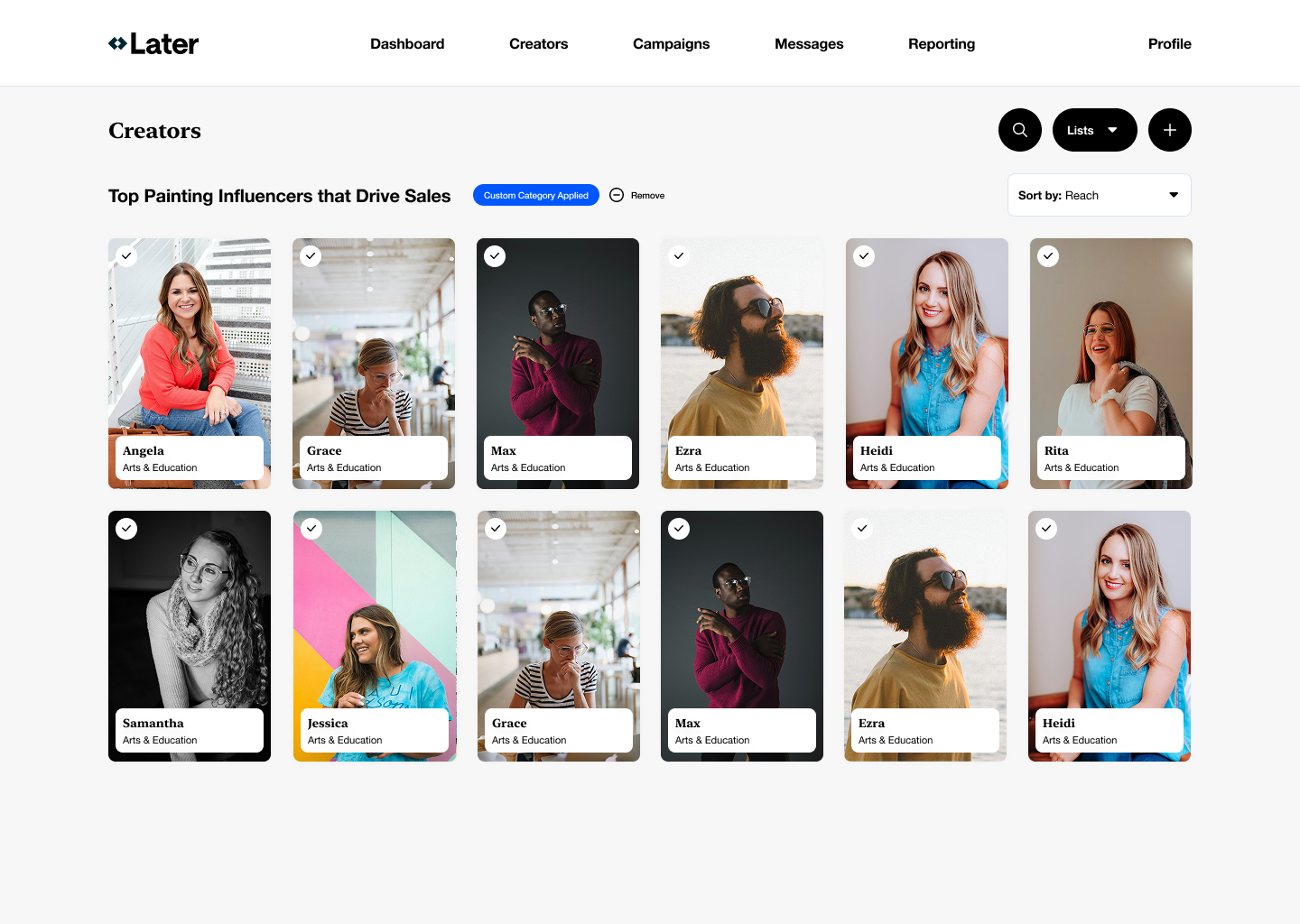
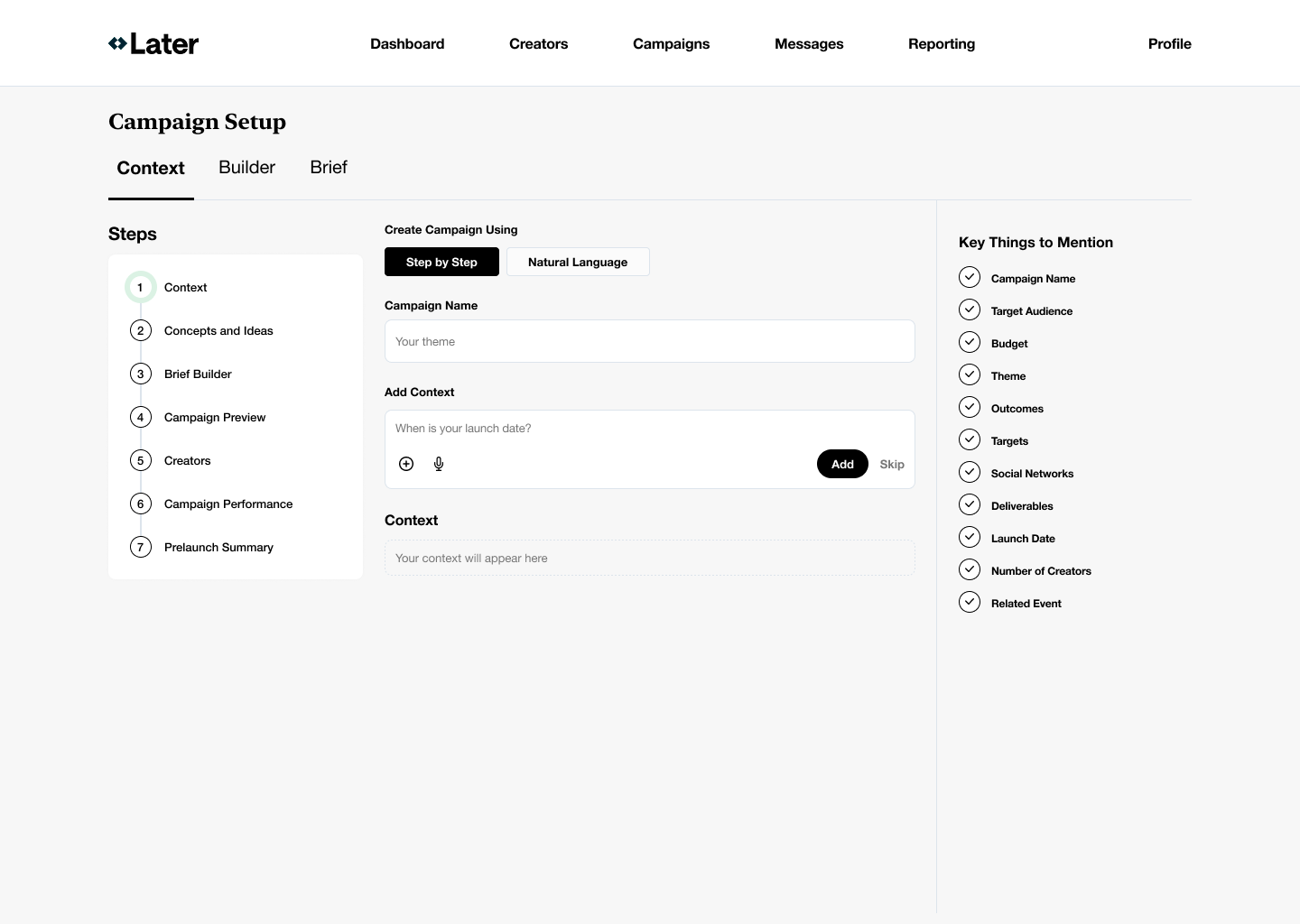
Organizational outcomes:
- Secured executive and board alignment around a unified product direction
- Created a shared reference model teams could use to evaluate future AI ideas
- Reduced risk of fragmented, one-off AI features
Design and product outcomes:
- Aligned two design organizations around a common experience philosophy
- Established experience principles that informed downstream roadmap work
- Built momentum and confidence for a longer-term platform strategy
This aligned how to think and approach our unified vision.
Reflection
This project reinforced a principle I now apply consistently:
Complex systems feel simple only when their structure is deliberately designed. AI, like any system feature, amplifies poor structure if left unchecked.
Today, I bring this mindset to:
- Information architecture
- Configuration-heavy experiences
- Platform-level UX decisions
- Agentic systems where users are informed before the system executes